milton’s cauliflower pizza instructions
Milton’s Cauliflower Pizza Overview
Milton’s Cauliflower Pizza delivers a low‑carb, keto‑friendly slice with a thin, airy crust that satisfies pizza cravings without the carbs. The brand emphasizes fresh, wholesome ingredients, offering a convenient, ready‑to‑cook option for health‑conscious diners seeking flavor and nutrition. Enjoy now!!!
Brand and Low‑Carb Appeal
Milton’s Cauliflower Pizza stands out in the low‑carb market, offering a product that blends convenience, taste, and nutritional integrity. The brand’s core promise is a thin, crisp crust that delivers the classic pizza experience while keeping carbohydrate content minimal. Consumers seeking healthier alternatives will find this offering appealing, as it satisfies cravings without compromising on flavor or texture. The product’s ingredient list is transparent, featuring cauliflower, low‑moisture mozzarella, rice flour, tapioca starch, and a blend of natural seasonings. This composition ensures a balanced mouthfeel and a satisfying chew, avoiding the dense, doughy feel of traditional pizza crusts. Additionally, the brand emphasizes the use of non‑GMO ingredients and avoids artificial additives, aligning with current consumer trends toward clean labeling. The packaging is designed for quick preparation, with a ready‑to‑cook format that reduces prep time and eliminates the need for extensive baking skills. This convenience factor is especially attractive to busy professionals, students, and families who want a quick, nutritious meal. The product’s low‑carb profile is supported by rigorous testing, confirming that each serving contains fewer than 5 grams of net carbs. This makes it an ideal choice for keto, paleo, and low‑glycemic diet plans. The brand also offers a range of flavor options, from classic marinara to spicy pepperoni, allowing consumers to enjoy variety without sacrificing health goals. Overall, Milton’s Cauliflower Pizza delivers a compelling combination of taste, convenience, and nutritional value, positioning itself as a leader in the evolving low‑carb food landscape. Praise the product’s quick assembly, making it a favorite for late‑night cravings. Its low‑carb nature also supports weight management. Ideal for busy lifestyles. Try it today! Enjoy!!!.
Ingredient Profile
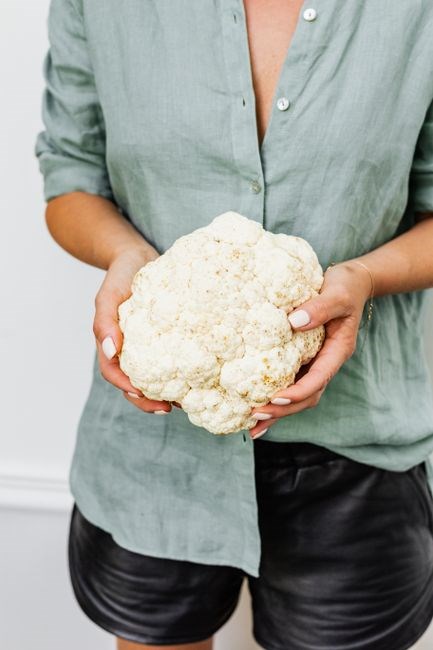
Cauliflower Crust: cauliflower, low‑moisture mozzarella, pasteurized milk, cheese cultures, salt, enzyme, rice flour, tapioca starch, rice starch, egg whites, modified rice starch, yeast,
optional: cane sugar, garlic powder, spices, xanthan gum, citric acid, lactic acid Low‑moisture part‑skim mozzarella topping
Cauliflower Crust Composition
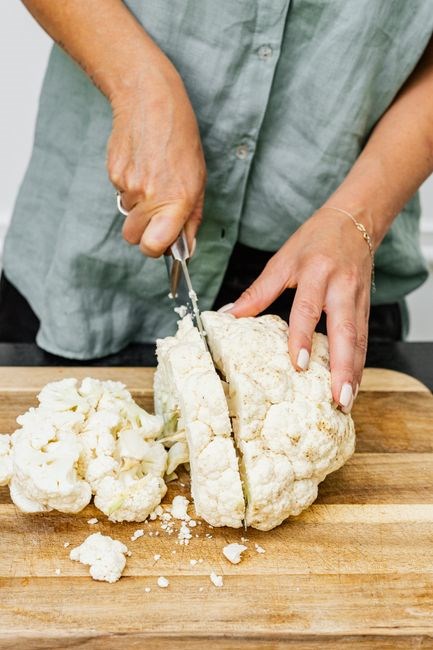
The foundation of Milton’s Cauliflower Pizza is a low‑carb crust that balances flavor and texture. It starts with finely grated cauliflower, which supplies bulk and moisture, and low‑moisture mozzarella cheese, providing a creamy, melty base. Pasteurized milk and cheese cultures bind the mixture, while a precise amount of salt and a natural enzyme enhance flavor and help the crust develop a crisp exterior.
Starches such as rice flour, tapioca starch, and rice starch act as binders, giving the crust firmness while keeping it light. Egg whites add protein for elasticity, and modified rice starch plus yeast promote a slight rise and improve overall mouthfeel. The result is a thin, crispy yet tender crust that meets keto standards.
Flavor is refined with minimal sweetener—cane sugar is present in less than 2% of the mix—alongside garlic powder, a blend of spices, xanthan gum, brown rice flour, citric acid, and lactic acid in trace amounts to enhance taste, texture, and preservation. This composition delivers a satisfying pizza experience while keeping carb content low.
Ingredient Breakdown (approximate per 100 g of crust):
- Cauliflower – 45 g
- Low‑moisture mozzarella – 20 g
- Pasteurized milk – 5 g
- Cheese cultures – 0.5 g
- Salt – 1.5 g
- Enzyme – 0.2 g
- Rice flour – 10 g
- Tapioca starch – 8 g
- Rice starch – 7 g
- Egg whites – 5 g
- Modified rice starch – 3 g
- Yeast – 0.3 g
- Cane sugar – <2 g
- Garlic powder – <0.5 g
- Spices – <1 g
- Xanthan gum – <0.1 g
- Brown rice flour – <0.5 g
- Citric acid – <0.2 g
- Lactic acid – <0.2 g
Additional notes: The crust’s texture is achieved through a balanced moisture level, ensuring it remains pliable enough for toppings yet firm enough to hold them. The careful selection of starches and binders allows the crust to bake into a golden crust while maintaining a light interior, making it an ideal base for any low‑carb pizza topping.
Enjoy responsibly. Savor the flavor. Taste the difference. Stay healthy!
Cheese and Seasonings
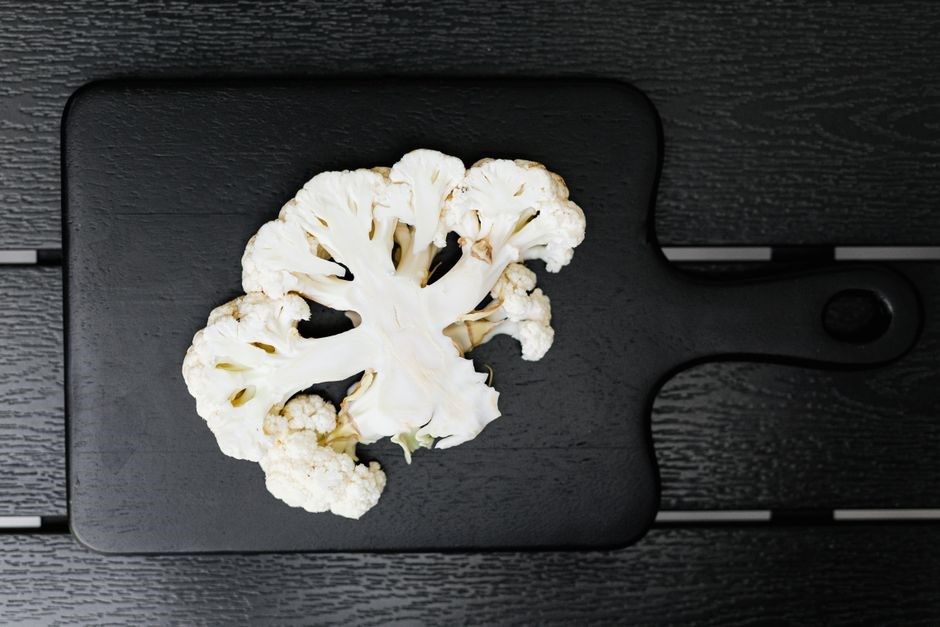
Milton’s cheese blend delivers a creamy mouthfeel while keeping fat low. The low‑moisture mozzarella melts smoothly, and the part‑skim mozzarella adds a firmer bite that resists sogginess from sauce or toppings. Together, they create a balanced texture that feels indulgent without heaviness. Citric and lactic acids give a subtle tang and help preserve freshness. Seasonings complement the mild cheeses: oregano for classic aroma, basil for sweet nuance, crushed red pepper for gentle heat, garlic powder for savory depth, and thyme‑rosemary for earthy undertones. This pairing satisfies low‑carb cravings while delivering a satisfying culinary experience that rivals traditional pizza. Enjoy! Good!
Preparation Steps
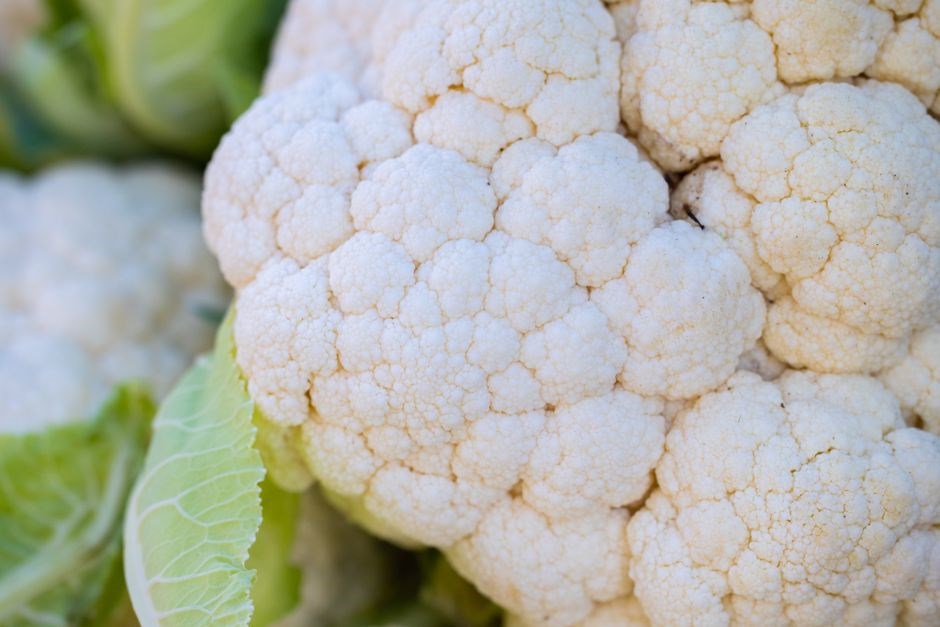
Follow the package directions: preheat oven, place pizza on a sheet, bake until golden, then let rest before slicing. Serve immediately for best texture and flavor. Enjoy responsibly!
After baking, let pizza cool, then cut into squares and serve quickly hot with a side salad for now.
Crust Preparation
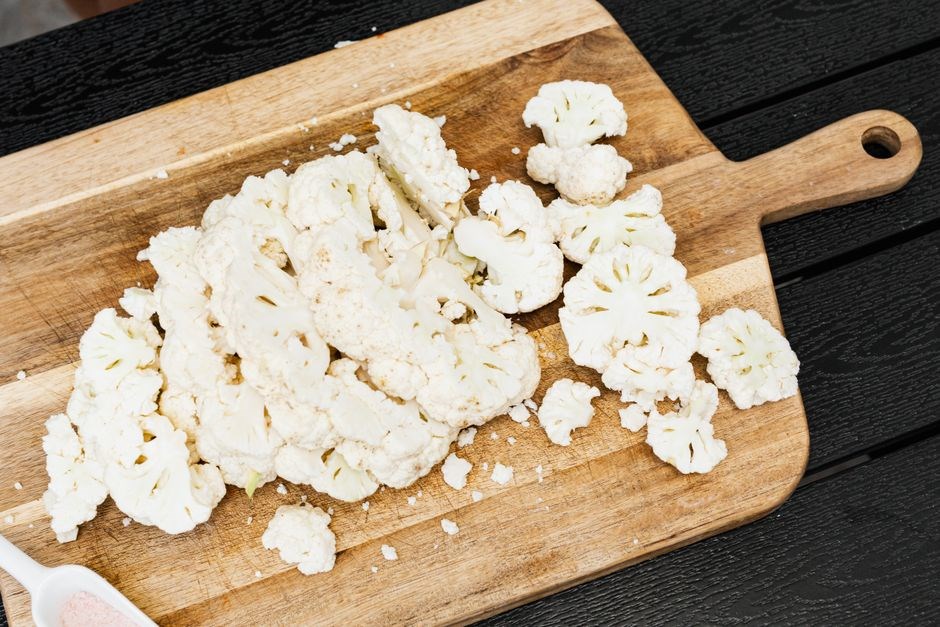
Begin by preheating your oven to 425°F (220°C). While the oven warms, take the pre‑made cauliflower crust out of its packaging. Gently press the crust onto a parchment‑lined baking sheet, shaping it into a thin, even circle. If the crust feels too moist, pat it lightly with a clean towel to remove excess moisture. Sprinkle a thin layer of low‑moisture mozzarella over the surface, ensuring even coverage. For added flavor, dust the crust with a pinch of garlic powder and a dash of dried oregano. Place the sheet in the preheated oven and bake for 12–15 minutes, or until the edges turn golden brown and the cheese melts into a bubbly, slightly caramelized crust. Keep a close eye on the pizza; oven temperatures can vary, so adjust the time as needed to avoid over‑browning. Once baked, remove the crust from the oven and let it rest for a minute or two before proceeding to toppings. This brief rest allows the crust to firm up slightly, making it easier to slice and preventing the cheese from sliding off. The result is a crisp, low‑carb base that holds toppings well and delivers a satisfying crunch with every bite. The cauliflower base is made from finely grated cauliflower, combined with low‑moisture mozzarella, rice flour, tapioca starch, and egg whites, creating a cohesive dough that sets quickly and when baked. The inclusion of yeast and a small amount of xanthan gum helps the crust rise, giving it a light texture. The crust’s composition also includes a blend of spices and a touch of citric acid to enhance flavor. The crust can be reheated in a skillet or oven to crisp up and.
Assembly and Toppings
After the crust has cooled slightly, spread a thin layer of tomato sauce over the entire surface, leaving a small border for the crust. Use a high‑quality, low‑sugar sauce to keep the carb count low. Next, scatter shredded low‑moisture mozzarella evenly, ensuring each bite has a creamy melt. For protein, add sliced pepperoni or grilled chicken, spacing them evenly so the heat can distribute. If you prefer a vegetarian option, top with sautéed bell peppers, mushrooms, onions, and spinach. Sprinkle a light dusting of dried oregano and a pinch of crushed red pepper flakes for a subtle kick. Finish with a drizzle of olive oil to enhance flavor and help the cheese brown beautifully. Let the pizza rest for 2–3 minutes before slicing; this allows the toppings to set, preventing them from sliding off. Serve immediately for the best texture, or reheat in a skillet for a crispier crust. This assembly technique balances flavor, texture, and nutrition while keeping the pizza low in carbohydrates, making it a perfect choice for keto or low‑carb diets.
To elevate the flavor profile, consider adding a sprinkle of grated parmesan or a dash of smoked paprika before baking. If you enjoy a touch of heat, a few drops of hot sauce can be added after baking. For a crunchy finish, a handful of toasted pine nuts or sunflower seeds can be scattered on top. Always ensure the toppings are evenly distributed to avoid sogginess. The final pizza should have a harmonious blend of savory, tangy, and slightly sweet notes, with a satisfying crunch from the cauliflower base and a gooey cheese layer that melts into each bite. Remember to keep the oven preheated and use a pizza stone if available for an even bake. Enjoy this wholesome, low‑carb masterpiece with a side of fresh arugula salad for extra greens.
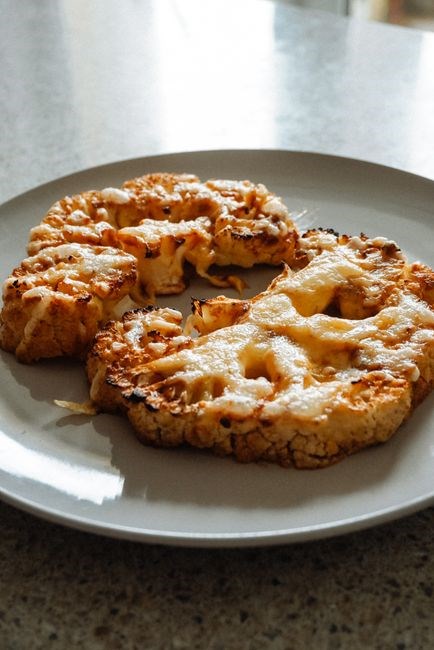
Cooking Guidelines
Preheat oven to 425°F (220 °C). Place pizza on a heated baking sheet or stone. Bake 12–15 min until cheese melts and crust edges turn golden. Check internal temp with a thermometer; it should reach 165°F (74 °C). Let cool 2 min before slicing. Serve immediately for best texture and enjoy a crisp bite, fresh now!
Oven Settings and Timing
Use a preheated baking stone or steel sheet to mimic a pizza‑oven crust. Convection ovens distribute heat evenly; if using a conventional oven, rotate the pizza halfway. A lower rack yields a crisp bottom, while a higher rack keeps the cheese from burning. Preheat the stone 30 minutes for moisture lock. Place the pizza on the hottest part of the oven for a golden top. If browning is uneven, adjust the rack or reposition the pizza. After baking, let it rest a minute to set the cheese, then slice with a sharp knife. This method ensures consistent results across ovens. Keep the oven door ajar to vent steam
Safety Temperature Check
When using a thermometer, insert the probe into the center of the crust, avoiding contact with the pan or toppings, to avoid skewed readings. The reading should be taken at the thickest part of the crust, typically the middle of the pizza. If the temperature reads below 165°F, continue baking in 2‑minute increments, checking again after each increment. For ovens with uneven heat distribution, rotate the pizza 180° after the first 10 minutes to promote even cooking. A calibrated oven thermometer placed on the baking surface can help confirm that the oven’s internal temperature matches the dial setting. If the oven consistently runs hotter or cooler than indicated, adjust the temperature accordingly. Keep a log of each bake’s temperature and time to refine future cooking sessions. When reheating leftovers, always bring the pizza back to at least 165°F to ensure safety. If you prefer a crispier crust, finish the pizza under a broiler for 1–2 minutes, watching closely to avoid burning. This final step ensures a safe internal temperature while achieving the desired texture.
When using a probe thermometer now quickly! that can be inserted into the center of the pizza without touching the pan. Record the temperature at the 5‑minute mark and again at the end of baking. If the temperature reads below 165°F, continue baking in 2‑minute increments, checking again after each increment. For ovens with uneven heat distribution, rotate the pizza 180° after the first 10 minutes to promote even cooking. A calibrated oven thermometer placed on the baking surface can help confirm that the oven’s internal temperature matches the dial setting. If the oven consistently runs hotter or cooler than indicated, adjust the temperature accordingly. Keep a log of each bake’s temperature and time to refine future cooking sessions. When reheating leftovers, always bring the pizza back to at least 165°F to ensure safety. If you prefer a crispier crust, finish the pizza under a broiler for 1–2 minutes, watching closely to avoid burning. This final step ensures a safe internal temperature while achieving the desired texture.
Post‑Cooking Storage
Cool pizza to room temperature, then refrigerate unused portions within 2 hours. Store in airtight containers or zip‑top bags for up to 3 days. For longer preservation, place slices in freezer‑safe packaging; freeze up to 2 months. Thaw in fridge before reheating. Keep chilled!
Refrigeration of Unused Portions
After baking, allow the pizza to cool to room temperature before refrigerating. Place the leftover slices in an airtight container or sealable plastic bag to maintain moisture and prevent odor absorption. Store in the refrigerator at or below 40°F (4°C). Consume within 3 days for optimal taste and safety. If you need to keep it longer, transfer the slices to a freezer‑safe bag and freeze for up to 2 months. When ready to eat, thaw overnight in the fridge or reheat directly from frozen in a preheated oven at 350°F (175°C) until the cheese is bubbly. Always check that the internal temperature reaches 165°F (74°C) before serving. Proper refrigeration helps preserve the fresh cauliflower crust texture and keeps the cheese from drying out, ensuring each bite remains delicious and safe to eat.
Freezing for Long-Term Storage
To preserve the quality of Milton’s Cauliflower Pizza for extended periods, freezing is the recommended method. Begin by allowing the pizza to cool completely to room temperature, then wrap each slice tightly in plastic wrap, ensuring no air pockets remain. Following this, place the wrapped slices in a resealable freezer bag or airtight container, removing as much air as possible to prevent freezer burn. Label the bag with the date of freezing to track freshness. When you’re ready to enjoy a slice, remove the desired portion and thaw it in the refrigerator for 8–12 hours, or use the defrost setting on your microwave if you’re short on time. For best results, reheat the pizza directly from frozen in a preheated oven set to 375°F (190°C) for optimal safety taste!! Place the slice on a baking sheet or pizza stone and bake for 10–12 minutes, or until the cheese is melted and the crust is crisp. Avoid microwaving the pizza from frozen, as this can lead to uneven heating and soggy crust. If you prefer a quicker method, thaw the slice at room temperature for 30 minutes before reheating in a skillet over medium heat; this helps restore the original crunch. After reheating, let the pizza rest for a minute or two before serving. This short pause allows the cheese to settle and prevents burns from hot spots. For storage of partially cooked or reheated slices, refrigerate them promptly in an airtight container and consume within 48 hours. Never refreeze reheated pizza, as repeated temperature fluctuations degrade the crust’s texture and increase the risk of bacterial growth. By following these steps, you can enjoy Milton’s Cauliflower Pizza with the same fresh, crispy experience as when it was first baked.
Related Posts

invicta watch instructions
Need help setting your Invicta? Find easy-to-follow instructions, troubleshooting tips & unlock all the features of your awesome Invicta watch! Get started now.

dream on me synergy 5-in-1 convertible crib instructions
Need help setting up your Dream On Me Synergy 5-in-1 crib? Find clear, step-by-step instructions & ensure a comfy, secure sleep space for your little one. Let’s build!
compare n save grass and weed killer mixing instructions
Learn how to mix grass and weed killer effectively while saving money. Get expert tips and compare products to keep your lawn healthy and weed-free.