why do cars stall manual
Engine Load and RPM Balance
Engine load and RPM balance are critical; when the engine is forced to work above its optimal rpm range, especially in high gears, it can stall. The phrase why do cars stall manual captures this: too much load, insufficient idle rpm, and clutch timing all contribute to a stall. Engine stalling occurs when the clutch slips at low rpm, causing the engine to drop below idle speed now!?
Overloading the Engine in High Gears
When a driver pushes a manual vehicle into a high gear while demanding rapid acceleration, the engine is forced to operate below its minimum idle rpm. This mismatch between torque demand and engine speed is the core reason behind the question why do cars stall manual. In high gears, the gear ratio reduces the torque available to the wheels, so the engine must spin faster to produce the same force. If the driver attempts to accelerate too quickly, the engine’s rpm can drop below the idle threshold, causing the combustion cycle to interrupt and the engine to stall. Clutch engagement timing is also critical because a sudden release in a high gear can create a sharp load spike on the flywheel. If the engine is already near idle, this spike can momentarily stop the crankshaft rotation, leading to a stall. Drivers often experience this when trying to start from a stop on a hill and immediately shifting into a high gear without enough throttle. Preventing stalls in high gears requires maintaining a safe engine rpm range. Drivers should keep the throttle open enough to keep the engine above idle, especially during hill starts and when towing. Using a lower gear for acceleration, then shifting up once the engine has reached a stable rpm, reduces the risk of stalling. Regular clutch inspection ensures that the clutch can handle the load without excessive slip, which would otherwise exacerbate the problem. Using a gear early can lead to a loss of traction, as the wheels may spin faster than the engine can supply torque. This wheel spin can further increase load on the clutch, creating a vicious cycle that culminates in a stall. Maintaining proper gear selection is therefore essential for smooth operation smoothly. In summary, stalling in a manual vehicle often results from a combination of high gear selection, insufficient engine rpm, clutch timing, and environmental factors.
Maintaining Minimum Idle RPM
Ensuring the engine never dips below its idle threshold is the most reliable way to avoid the classic stall that many manual‑driven drivers ask why do cars stall manual. Idle speed is set by the engine control unit or by the mechanical idle screw in older units; it represents the lowest rpm at which the combustion cycle can stay stable. When a driver releases the clutch too quickly or presses the accelerator too hard in a high gear, the engine can be pulled below this threshold. The result is a loss of spark timing and a temporary halt in the crankshaft rotation, which is the mechanical manifestation of a stall. To keep the engine above idle, keep the throttle slightly open during gear changes, especially on inclines or when towing. A small burst of throttle keeps the engine in the safe rpm band, preventing the sudden drop that would otherwise trigger a stall. Additionally, a worn clutch can cause the engine to slip and lose rpm even when the throttle is applied; regular inspection of the clutch plate and pressure plate helps maintain the necessary friction to keep the engine in rhythm. Modern vehicles often have idle‑control valves that automatically adjust the throttle plate to maintain a steady idle under varying loads; keeping these valves clean and functional is essential. If the idle control system is clogged, the engine may not compensate for load changes, causing the rpm to fall below the minimum. Finally, environmental factors such as cold weather or high altitude can lower the effective idle rpm; drivers should adapt by giving a slightly higher throttle input until the engine stabilizes. By combining proper throttle use, clutch care, and a functioning idle‑control system, the engine stays above its minimum idle rpm, eliminating the stall that many manual drivers experience. In practice, a driver can feel the engine’s idle by listening to the hum of the combustion cycle. A sudden drop in that hum often signals the engine is approaching the stall point. Many manufacturers recommend keeping the throttle at about 10 % of its maximum when shifting from neutral to first gear in a cold start; this keeps the rpm above the idle threshold. If the engine is still below idle after a shift, the driver should gently press the accelerator until the rpm rises. Some vehicles have a manual idle adjustment screw that can be turned to raise the idle speed by a few rpm; this is useful in high‑altitude locations where the air density is lower. However, raising idle too high can cause the engine to run inefficiently and increase fuel consumption, so the ideal idle is the lowest rpm that keeps the engine stable under all expected loads. Drivers should also avoid letting the engine idle for long periods in a high gear; if the vehicle is stopped for a minute or more, shifting to a lower gear before restarting can help maintain a higher idle rpm. Finally, regular maintenance of the spark plugs, air filter, and fuel injectors ensures that the combustion process remains efficient, which in turn keeps the idle rpm stable. By mastering these techniques, drivers can keep the engine above its minimum idle rpm and avoid the frustrating stall that many manual vehicles experience.
Clutch Wear and Engagement Technique
Clutch wear reduces friction, causing slip when the engine load rises. A worn clutch may not fully engage, letting the engine drop below idle gear changes. Proper engagement—gradual clutch release and throttle—keeps rpm steady, preventing stalls. Regular inspection stops the stall cycle.
Smooth clutch engagement, coupled with throttle, keeps the engine from stalling smoothly, smooth.
Signs of a Worn Clutch
When a clutch is deteriorating, the engine’s ability to transfer power smoothly is compromised, which is a key factor in the question why do cars stall manual. The most common indicators include a slipping sensation when the clutch pedal is released, a noticeable increase in engine noise, or a delay between pressing the pedal and the vehicle’s response. Drivers may feel a rough engagement, with the car jerking or stalling if the clutch cannot maintain the required torque. Additionally, a worn clutch often causes the pedal to feel soft or spongy, and the lever may require more travel before it fully disengages. These symptoms are direct evidence that the clutch components—such as the friction material, pressure plate, or release bearing—are wearing out, leading to insufficient grip and power loss. Regular inspection and timely replacement are essential to prevent sudden stalls.
Clutch wear causes stalling when the engine load exceeds the clutch capacity. Clutch wear causes stalling when the engine load exceeds the clutch capacity. Clutch wear causes stalling when the engine load exceeds the clutch capacity. Clutch wear causes stalling when the engine load exceeds the clutch capacity. Clutch wear causes stalling when the engine load exceeds the clutch capacity. Clutch wear causes stalling when the engine load exceeds the clutch capacity. Clutch wear causes stalling when the engine load exceeds the clutch capacity. Clutch wear causes stalling when the engine load exceeds the clutch capacity. Clutch wear causes stalling when the engine load exceeds the clutch capacity. Clutch wear causes stalling when the engine load exceeds the clutch capacity. Clutch wear causes stalling when the engine load exceeds the clutch capacity. Clutch wear causes stalling when the engine load exceeds the clutch capacity. Check clutch soon! today!
Proper Clutch Release Timing
Proper clutch release timing is essential to avoid stalling, especially when the engine’s rpm is close to its idle threshold. When a driver lifts the clutch too quickly or too slowly, the engine can be taken out of its optimal operating band, causing the engine to drop below idle speed and stall. The key is to match the clutch engagement speed with the engine’s rpm curve. A smooth, gradual release allows the engine to maintain torque while the transmission takes over. If the clutch is released too fast, the sudden torque spike can overload the engine, especially in high gears, and the engine may not have enough rpm to keep running. Conversely, a sluggish release can cause the clutch to slip, again reducing engine rpm and leading to a stall. The phrase why do cars stall manual is answered by understanding that the clutch is the bridge between engine and drivetrain; any mismatch in timing or load can break that bridge. Drivers should practice a “feathering” technique: depress the pedal, give a small amount of throttle, then slowly lift the pedal until the car moves forward. This technique keeps the engine within its safe rpm range. Additionally, paying attention to the engine’s tachometer can help; if the needle is too low, the driver should add a little throttle before fully releasing the clutch. In many cases, a worn clutch or a bad release bearing will make the pedal feel spongy or the engagement point hard to find, which directly contributes to stalling. Regular inspection of the clutch system, checking for wear on the pressure plate, clutch disc, and release bearing, can prevent the clutch from slipping or engaging too abruptly. By mastering the timing and ensuring the clutch components are in good condition, a driver can eliminate most of the common causes behind the question why do cars stall manual and enjoy a smoother, more reliable driving experience. Stay smooth, stay steady.!
Gear Selection and Driving Conditions
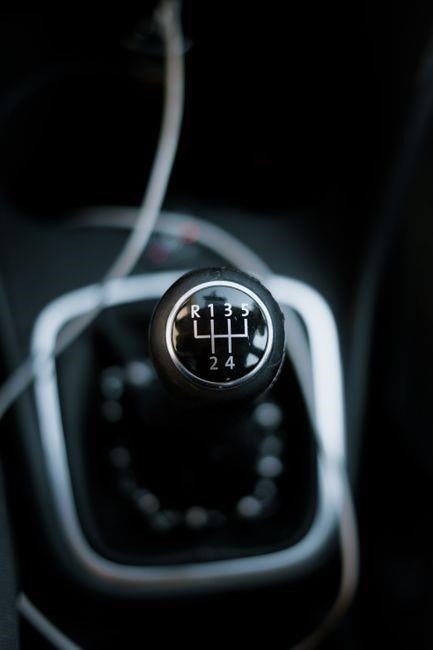
Choosing the right gear for hill starts or heavy loads prevents stalling. In 5th gear, the engine may drop below idle rpm; using a lower gear keeps rpm higher and torque available. Trailers increase load, so shift early. Proper gear choice balances power and engine speed, answering why do cars stall manual. Lower gears keep torque.
Choosing the Right Gear for Hill Starts
When ascending a hill, the engine must maintain a minimum rpm to avoid stalling. Selecting a lower gear—typically second or third—provides the necessary torque and keeps the rpm above idle. If the driver shifts too high, the engine’s rpm falls below the idle threshold, and the clutch can slip, causing a stall. The phrase why do cars stall manual is answered by understanding that the engine requires a certain rpm range to stay running. Drivers should feel the engine’s “sweet spot” and shift early, before the throttle is fully applied. This technique ensures that the engine’s load is balanced with its power output, preventing the clutch from being overloaded. By choosing the right gear and applying the throttle smoothly, the driver keeps the engine in its optimal operating range, thereby avoiding stalling.
In many manual transmissions, the gear ratios are designed so that the first gear provides the highest torque multiplication, while higher gears reduce torque to increase speed. On a steep incline, the driver must consider the vehicle’s weight, the slope’s steepness, and any additional load such as a trailer. A heavier load or a steeper hill demands an even lower gear to keep the engine’s rpm within the safe zone. If the driver attempts to climb in third gear on a 15% grade, the engine may still struggle, especially if the throttle is not fully opened. The engine’s torque curve peaks at a specific rpm; staying near this peak ensures maximum power delivery. If the engine is forced to operate below this peak, the torque drops sharply, and the engine may stall. Therefore, the key to successful hill starts is to match the gear selection to the required torque and to maintain a steady throttle input while the clutch is released gradually. This prevents the engine from being overloaded and keeps the vehicle moving smoothly up the incline.
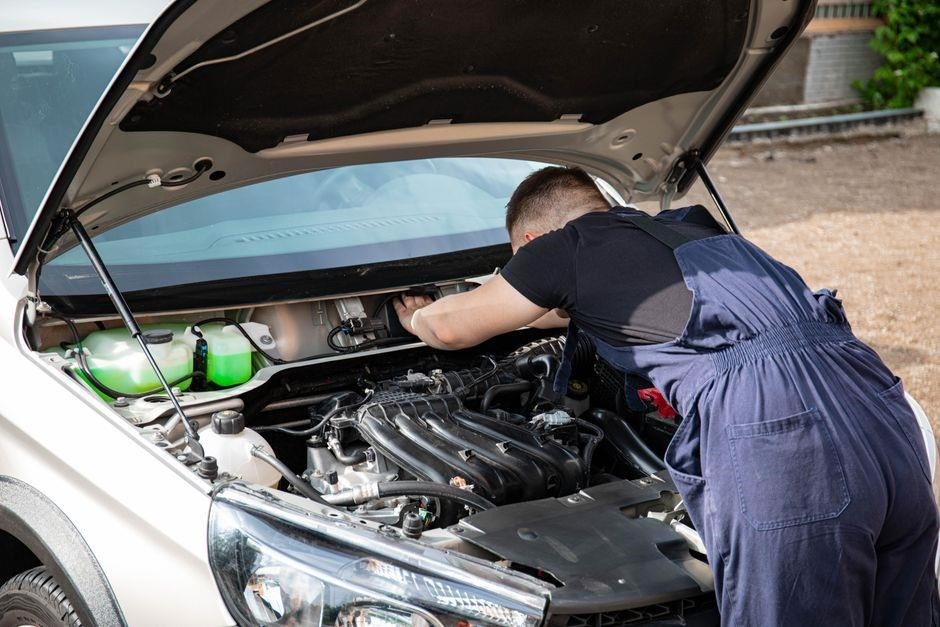
Remember to check the clutch’s condition; a worn clutch can’t transmit power efficiently, increasing the risk of stalling even in the correct gear.
In practice, drivers often feel a subtle change in engine sound and vibration when the selected gear is too high for the current load. A drop in acceleration can signal that the engine is approaching its idle limit. By shifting to a lower gear before this point, the driver maintains a safe rpm band and keeps the drivetrain engaged. It helps fast
Effects of Trailers and Heavy Loads
When a manual vehicle pulls a trailer or carries a heavy load, the engine must supply extra torque to maintain speed. If the driver remains in a high gear, the engine’s rpm can drop below its idle threshold, causing a stall. The phrase why do cars stall manual is answered by the fact that the added mass increases the load on the clutch and transmission, and the engine must compensate by operating at higher rpm. A worn clutch may not transmit power efficiently, further raising the risk of stalling. Drivers should shift to a lower gear before the engine’s rpm falls below the minimum idle range. This keeps the engine in its optimal torque band. Additionally, maintaining a steady throttle while releasing the clutch helps avoid sudden load spikes. The engine’s torque curve peaks at a specific rpm; staying near this peak ensures maximum power delivery. If the load is heavy, the engine may need to operate at a higher rpm to avoid stalling. Proper gear selection and smooth clutch engagement are essential to keep the vehicle moving, especially when towing or carrying heavy cargo. By understanding the relationship between load, gear ratio, and engine rpm, drivers can prevent stalls and maintain control.
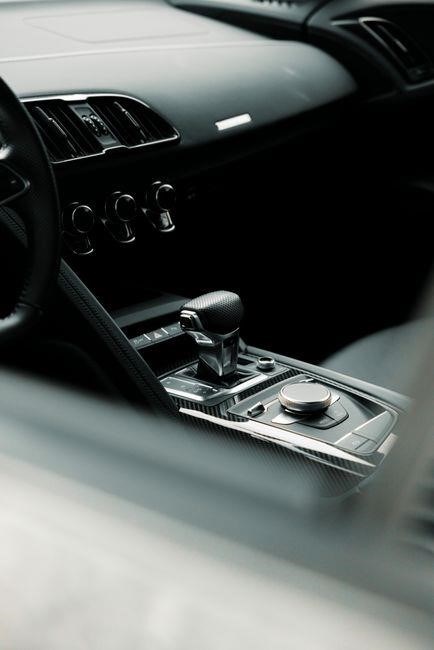
Even when the vehicle is lightly loaded, the clutch’s friction material can degrade over time, reducing its ability to transmit torque smoothly. A worn clutch may cause the engine to momentarily lose power as the clutch slips, especially under heavy load. Regular inspection of the clutch plate and pressure plate, along with checking the hydraulic fluid level, can prevent such stalls. In addition, drivers should avoid riding the clutch in the “dead spot” where the clutch is partially engaged but not fully transmitting power. Proper use of the clutch pedal, combined with a smooth throttle application, ensures that the engine stays within its optimal rpm band and that the vehicle can handle the added weight without stalling. By following these practices, drivers can maintain reliable performance even when towing trailers or carrying heavy cargo!
Maintenance and Preventive Measures
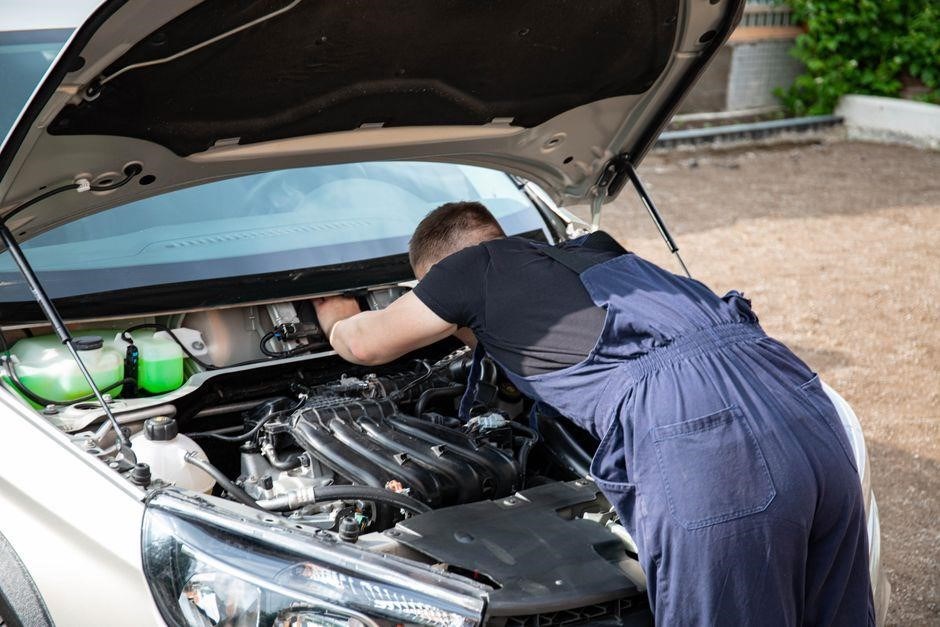
Regular clutch inspection, fluid checks, and keeping the engine within its optimal rpm range answer why do cars stall manual. Replace worn clutch plates, top up hydraulic fluid, and ensure oil changes to keep the transmission lubricated. Smooth clutch release and proper gear selection prevent stalls. Routine checks also include inspecting clutch pedal travel and gearbox oil level
Regular Clutch Inspection
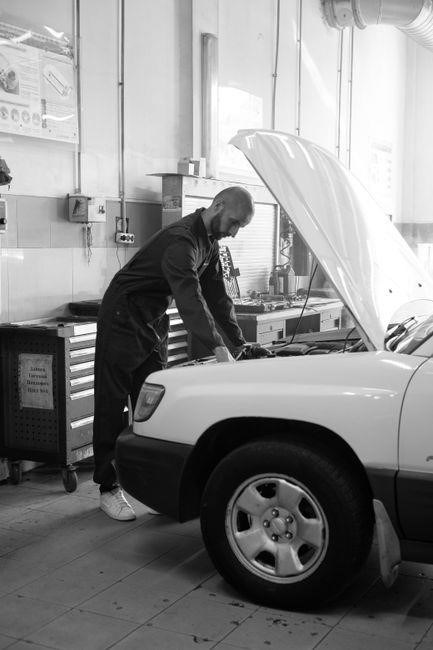
Ensuring a clutch remains responsive is the first line of defense against the common question why do cars stall manual; A routine inspection should begin with a visual check of the clutch line, looking for any signs of wear or damage. The clutch pedal should travel smoothly, without any binding or excessive resistance. If the pedal feels spongy, it may indicate a hydraulic leak or air in the system, both of which can compromise clutch engagement.
Next, examine the clutch release bearing for any noise or roughness. A squealing or grinding sound during pedal depression often signals a worn bearing that will eventually fail, causing the clutch to slip under load. Replace the bearing before it reaches a critical point. Inspect the clutch disc and pressure plate for signs of wear, such as uneven wear patterns or a glazed surface. A worn disc can reduce friction and lead to a loss of power transfer, especially at low RPMs.
During the inspection, check the clutch fluid level and condition. Low fluid can cause the pedal to feel light and the clutch to disengage too early. Contaminated fluid may also reduce hydraulic efficiency. Flush the system if the fluid appears dirty or has a metallic taste. Keep the clutch hydraulic system clean and free of air bubbles.
Finally, test the clutch engagement by performing a low‑speed drive in a safe area. Shift into first gear, release the clutch slowly, and observe the engine’s response. If the engine stalls or the vehicle lurches, the clutch may not be fully engaging. Adjust the clutch cable or hydraulic system as needed, or consider a clutch replacement if the problem persists. Regular inspections, performed every 10,000 to 15,000 miles, can catch these issues early and keep the vehicle running smoothly.
Engine and Transmission Fluid Checks
When addressing the question why do cars stall manual, one of the most overlooked yet critical factors is the condition of engine and transmission fluids. A low or contaminated oil level can reduce lubrication, causing the engine to work harder and stall under load. Similarly, worn transmission fluid can impair the hydraulic system that controls the clutch, leading to delayed engagement and a stall.
Begin by checking the engine oil. Pull the dipstick, wipe it clean, reinsert, and pull again; The oil should be within the marked range and free of metal shavings or a milky appearance, which indicates a need for a change before driving again.
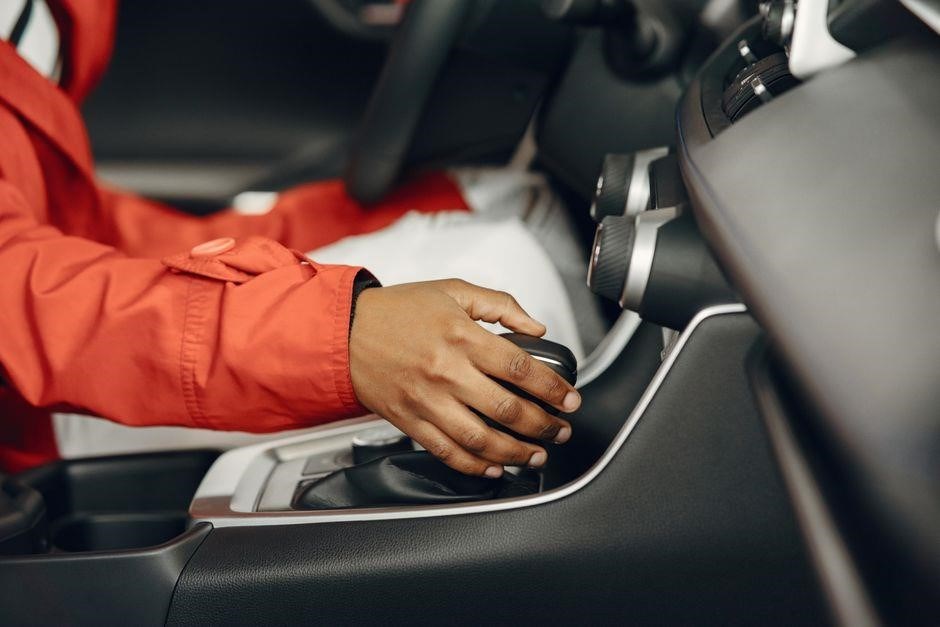
Next, inspect the transmission fluid, especially in vehicles with a manual clutch that relies on hydraulic pressure. Locate the transmission dipstick or fill plug, remove it, and examine the fluid’s color and smell. A healthy fluid is typically amber and has a faint, non‑off odor. Dark, burnt, or oily‑looking fluid suggests a need for a change. In many manuals, the recommended interval for a fluid change is every 30,000 miles.
While checking, also look for leaks around the clutch slave cylinder, master cylinder, and transmission seals. A hydraulic leak can lower pressure, making the clutch pedal feel spongy and causing the engine to stall when the clutch is engaged. Tighten any loose fittings and replace any cracked hoses. If you suspect a leak but cannot locate it, a pressure test of the hydraulic system can pinpoint the source.
Finally, remember that fluid quality directly influences engine temperature and clutch performance. Overheating can cause the engine to stall, while a weak hydraulic system can fail to engage the clutch fully. By maintaining proper fluid levels, changing fluids at recommended intervals, and inspecting for leaks, you eliminate a major source of stalling and keep the drivetrain running smoothly!!
Related Posts
reese trailer brake controller manual
Download the Reese Trailer Brake Controller Manual in PDF. Step‑by‑step instructions, wiring diagrams, and troubleshooting tips for smooth, safe towing.

how do you manually roll up a power window
Power window giving you trouble? Don’t panic! Our simple, step-by-step guide shows you how to manually roll up your car window like a pro. Get back on the road fast!
cosori pressure cooker manual
Lost your Cosori pressure cooker manual? No sweat! Find a downloadable PDF & get back to creating delicious, quick meals. Easy recipes & troubleshooting too! ✨