
manual gearbox service
Manual gearbox servicing is a crucial aspect of vehicle maintenance, ensuring optimal performance and longevity. This process encompasses preparation,
dismantling, evaluation, overhaul, reassembly, testing, and detailed documentation – a systematic approach to transmission health.
Experts like Paul Cangialosi share decades of knowledge, guiding technicians through rebuilding major high-performance transmissions for peak efficiency.
Importance of Regular Servicing
Consistent manual gearbox servicing prevents costly failures and maintains driving enjoyment. Proactive maintenance identifies wear, ensuring smooth gear changes and preventing unexpected breakdowns. Regular checks, including fluid levels and component inspection, extend the transmission’s lifespan significantly.
Ignoring servicing leads to diminished performance, increased noise, and potentially complete gearbox failure, necessitating expensive repairs or replacements. Prioritizing upkeep is a smart investment.
Safety Precautions
Prioritize safety during manual gearbox servicing. Always disconnect the battery to prevent electrical hazards. Support the vehicle securely with jack stands – never rely solely on a jack. Wear appropriate personal protective equipment (PPE), including safety glasses and gloves.
Be mindful of sharp edges and heavy components. Use proper lifting techniques and ensure a clean, well-lit workspace. Consult service manuals for specific safety guidelines related to the gearbox model.
Tools and Equipment Required
Successful gearbox servicing demands specialized tools alongside standard automotive equipment. This includes pullers, presses, and diagnostic instruments for efficient dismantling and accurate component evaluation.
Specialized Gearbox Tools
Effective manual gearbox servicing necessitates specific tools beyond a standard mechanic’s set. These include internal and external snap ring pliers, gearbox spring compressors, and precision alignment tools.
Furthermore, specialized pullers are vital for removing gears and bearings without damage, while a gearbox stand facilitates safe and stable disassembly and reassembly procedures. Torque wrenches calibrated for gearbox fasteners are also essential.
General Automotive Tools
Alongside specialized tools, comprehensive manual gearbox servicing requires standard automotive equipment. This includes a full socket set (metric and imperial), open-end wrenches, screwdrivers, hammers, and penetrating oil for loosening stubborn fasteners.
Additionally, a good quality jack and jack stands are crucial for safe vehicle lifting, alongside various measuring tools like calipers and micrometers for precise component inspection.

Gearbox Disassembly Procedures
Disassembly begins with removing the gearbox from the vehicle, followed by a thorough external inspection. Careful dismantling, step-by-step, is vital for evaluating gearbox condition and identifying needed repairs.
Removing the Gearbox from the Vehicle
Initial steps involve safely securing the vehicle and disconnecting driveshafts, linkages, and electrical connections. Support the engine and transmission before removing mounting bolts.
Carefully lower the gearbox using appropriate lifting equipment, ensuring no strain on connected components. Proper support prevents damage during removal, facilitating a smooth disassembly process and subsequent evaluation.
External Inspection and Initial Assessment
Following removal, a thorough external inspection is vital. Check for obvious damage – cracks, leaks, or corrosion – on the casing. Note the condition of the bellhousing and mounting points.
This initial assessment helps determine the scope of work needed. Evaluate the gearbox’s overall condition to anticipate potential internal issues and plan the dismantling process effectively.
Dismantling the Gearbox – Step-by-Step
Begin by carefully documenting each step with photos. Remove external components like the shifter linkage and speedometer drive. Then, systematically disassemble the gearbox, starting with the tailshaft housing and proceeding to the front cover.
Label and organize all parts meticulously, noting their position and orientation for correct reassembly. This methodical approach is crucial for a successful overhaul.
Gearbox Component Inspection
Thorough inspection reveals wear and damage to gears, synchromesh components, bearings, and seals. Careful evaluation determines necessary replacements and adjustments for optimal function.
This detailed assessment is vital before proceeding with overhaul procedures.
Inspecting Gears for Wear and Damage
Gear inspection requires meticulous attention to detail. Examine gear teeth for pitting, scoring, chipping, or excessive wear patterns. Look closely at the gear flanks and root diameters for signs of fatigue or damage.
Use magnification if necessary to identify subtle imperfections. Check for proper tooth engagement and backlash. Damaged gears must be replaced to prevent further transmission issues and ensure reliable operation.
Checking Synchromesh Performance
Synchromesh evaluation is vital for smooth gear changes. Inspect the synchro rings for wear, damage, or deformation. Assess the cone angles for proper engagement.
Check for any signs of sticking or binding during operation. A properly functioning synchromesh ensures quick, effortless shifts. Worn or damaged components necessitate replacement to restore optimal gearbox performance and driver comfort.
Evaluating Bearings and Seals
Bearing and seal inspection is critical during a manual gearbox overhaul. Rotate bearings to check for smoothness and listen for noise – roughness indicates wear.
Examine seals for cracks, tears, or hardening. Leaking seals compromise lubrication and can cause significant damage. Replace any compromised bearings or seals to prevent further gearbox issues and ensure reliable operation.
Overhaul Procedures
Overhaul procedures involve replacing worn gears, synchromesh components, and deteriorated bearings and seals. This meticulous process restores the gearbox to optimal functionality and reliability.
Replacing Worn Gears
Replacing worn gears requires careful attention to detail and precision. Damaged gears significantly impact performance, causing noise and shifting issues. During overhaul, thoroughly inspect each gear for wear, pitting, or broken teeth.
Utilize specialized tools for safe removal and installation, ensuring proper meshing and alignment. Always match the new gear’s specifications to the original for compatibility and optimal function.
Synchromesh Replacement and Adjustment
Synchromesh components are vital for smooth gear engagement. Worn synchros cause grinding or difficulty shifting. Replacement involves careful disassembly, cleaning, and inspection of related parts like keys and blocking rings.
Proper adjustment is critical; follow manufacturer specifications for preload and clearance. Cangialosi’s methods emphasize precise fitting and testing to restore optimal synchronizing performance during the overhaul process.
Bearing and Seal Replacement
Worn bearings and seals significantly impact gearbox performance and can lead to noise or leaks. Replacement requires specialized tools for safe removal and installation, preventing damage to mating surfaces.
Inspect bearing races for pitting or wear. High-quality seals are essential to maintain proper lubrication. Following overhaul procedures ensures correct fit and function, restoring quiet operation and preventing fluid loss.
Reassembly Procedures
Reassembly demands precision, focusing on proper lubrication and adhering to strict torque specifications for all fasteners. Accurate alignment during installation is vital for smooth operation.
Proper Lubrication During Reassembly
Applying the correct lubricant during reassembly is paramount for gearbox longevity and performance. Generously coat all moving parts – gears, bearings, and synchromesh components – with manufacturer-recommended gearbox oil.
This minimizes friction, prevents wear, and ensures smooth engagement. Careful lubrication extends component life and contributes to quiet, efficient operation, avoiding premature failure.
Torque Specifications for Fasteners
Adhering to precise torque specifications for all gearbox fasteners is critical. Under-tightening can lead to loosening and oil leaks, while over-tightening risks stripping threads or damaging components.
Consult a service manual for the specific gearbox model to obtain accurate torque values. Utilize a calibrated torque wrench to ensure proper clamping force, guaranteeing structural integrity and reliable operation.
Gearbox Alignment and Installation
Proper gearbox alignment with the engine is paramount for smooth operation and preventing premature wear. Carefully align the input shaft with the clutch disc during installation.
Ensure the gearbox mounts are correctly seated and tightened to the specified torque. Misalignment can cause vibration, noise, and damage to both the gearbox and clutch components, leading to costly repairs.

Testing and Adjustment
Post-overhaul testing involves static checks and dynamic road tests to verify proper function. Shift linkage adjustment is critical for precise gear engagement and a smooth driving experience.
Static Testing Procedures
Before installation, static testing verifies gearbox functionality without engine operation. This includes rotating input and output shafts to check for smooth movement and noise.
Assess gear engagement by manually selecting each gear, confirming positive stops and no binding. Inspect for leaks around seals and ensure proper lubrication throughout the system. These preliminary checks identify potential issues before vehicle integration.
Dynamic Testing – Road Test
Post-installation, a road test is vital for evaluating gearbox performance under real-world conditions. Assess shift quality – smoothness, ease, and accuracy – across all gears.
Listen for unusual noises during acceleration, deceleration, and cruising. Monitor for vibrations or slipping. Confirm proper synchronization and overall responsiveness, verifying the overhaul successfully restored optimal gearbox function and driver experience.
Adjustment of Shift Linkage
Precise shift linkage adjustment is critical for a seamless driving experience. Ensure accurate engagement of each gear, eliminating any looseness or binding.
Verify the throw of the shift lever feels consistent and comfortable. Proper adjustment minimizes wear on internal components and guarantees effortless, precise gear changes, contributing to overall gearbox reliability and driver satisfaction.
Common Gearbox Problems and Solutions
Frequent issues include difficulty shifting, unusual noises, and oil leaks. Addressing these promptly prevents further damage, restoring smooth operation and extending the gearbox’s lifespan.
Difficulty Shifting Gears
Shifting problems often stem from worn synchronizers, low fluid levels, or a faulty clutch. Internal damage to gears or the shift linkage can also contribute.
A thorough inspection is vital, checking for worn components and proper fluid condition. Adjusting the linkage or replacing damaged parts typically resolves these issues, restoring smooth gear changes.
Unusual Noises During Operation
Strange sounds – whining, grinding, or clunking – indicate potential gearbox issues. Worn bearings, damaged gears, or insufficient lubrication are common culprits. A detailed assessment is needed to pinpoint the source. Addressing these noises promptly prevents further damage and ensures continued reliable transmission performance.
Gearbox Oil Leaks
Oil leaks from a manual gearbox signify failing seals, often around the input or output shafts. Low oil levels cause increased friction and potential damage to internal components. Immediate attention is vital; identify the leak source, replace worn seals, and replenish fluids to maintain proper lubrication and prevent catastrophic failure.
Gearbox Maintenance Schedule
Regular maintenance, including fluid changes at specified intervals and thorough inspection checkpoints, is essential for extending the life and reliability of your manual gearbox.
Fluid Change Intervals
Determining fluid change intervals depends on vehicle usage and gearbox type. Generally, a fluid and filter change every 30,000 to 60,000 miles is recommended for standard driving conditions.
However, severe conditions – like frequent towing, racing, or aggressive driving – necessitate more frequent changes, potentially every 15,000 to 30,000 miles. Always consult your vehicle’s manual for specific recommendations.
Inspection Checkpoints
Regular gearbox inspections should include checking for leaks around seals and the housing. Examine the fluid for metal shavings, indicating internal wear. Assess shift linkage for smooth operation and proper engagement.
Listen for unusual noises during operation, and visually inspect external components for damage. Thorough evaluation during servicing helps identify potential issues before they escalate into major repairs.
Specific Gearbox Models – Overview
Various gearbox models, like BorgWarner T10, GM/Muncie, Ford Toploader, and Tremec T5, require unique servicing approaches due to their distinct designs and components.
Expert knowledge, such as Paul Cangialosi’s, is vital for successful overhauls.
BorgWarner T10 and Super T10
BorgWarner T10 and Super T10 gearboxes are renowned for their durability and performance in classic muscle cars. Servicing these transmissions demands specific expertise, focusing on synchromesh function and gear wear.
Paul Cangialosi’s guidance is invaluable, detailing proven rebuilding methods for these units. Careful inspection of bearings, seals, and meticulous reassembly are critical for optimal operation and longevity.
GM/Muncie Gearboxes
GM/Muncie gearboxes, popular in classic Chevrolet vehicles, require specialized servicing techniques. Overhaul procedures involve a thorough evaluation of gear condition, paying close attention to wear patterns and potential damage.
Cangialosi’s expertise highlights the importance of proper synchromesh adjustment and bearing replacement. Precise reassembly, adhering to torque specifications, ensures smooth shifting and reliable performance for these transmissions.
Ford Toploader Gearboxes
Ford Toploader gearboxes, known for their durability, benefit from meticulous servicing. Disassembly requires careful attention to detail, followed by a comprehensive inspection of gears and internal components for signs of wear.
Expert rebuilders, like Cangialosi, emphasize the critical role of proper lubrication during reassembly and precise adjustment of shift linkage for optimal performance and a positive driving experience.
Tremec T5 Gearboxes
Tremec T5 gearboxes possess unique features demanding specialized servicing techniques. Cangialosi’s guidance is invaluable for rebuilding these high-performance transmissions, ensuring reliability and smooth operation.
Unique Features and Servicing
Tremec T5 gearboxes are renowned for their robust design and close-ratio gearing, offering enhanced performance. Servicing requires understanding these specific attributes, including unique synchronizer designs and bearing configurations.
Cangialosi’s expertise details specialized overhaul procedures, emphasizing correct component evaluation and precise adjustment. Proper lubrication and torque specifications are critical during reassembly to maintain optimal functionality and longevity of the T5 transmission.
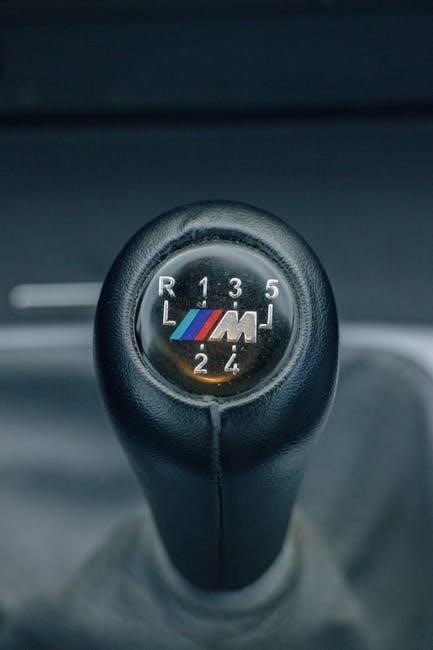
Documentation and Record Keeping
Detailed service reports and a comprehensive parts inventory are essential for tracking gearbox servicing. This ensures transparency, facilitates future repairs, and maintains a complete history.
Service Reports
Comprehensive service reports are vital for documenting every stage of the manual gearbox overhaul. These reports should meticulously detail the initial assessment, all dismantling steps, component inspection findings,
parts replaced, and the precise procedures followed during reassembly and testing.
Accurate records, including torque specifications and any adjustments made, are crucial for future reference, warranty claims, and maintaining a complete service history of the transmission.
Parts Inventory
Maintaining a detailed parts inventory is essential for efficient manual gearbox servicing. This includes tracking all replacement components – gears, synchromesh components, bearings, seals, and fasteners – with accurate part numbers and quantities.
A well-managed inventory minimizes downtime, ensures the availability of necessary parts, and facilitates accurate cost tracking for each gearbox overhaul, streamlining the entire repair process.
Emergency Gearbox Breakdown Support
We offer 24/7 availability for emergency gearbox breakdowns, utilizing standardized repair procedures across all gearbox types. Our extensive experience ensures rapid, effective solutions.
24/7 Availability
Our commitment to minimizing downtime means we provide round-the-clock emergency gearbox breakdown support. Recognizing that failures don’t adhere to business hours, our team is available 24 hours a day, 7 days a week.
This ensures rapid response and immediate assistance, crucial for maintaining operational continuity and reducing costly production interruptions. We prioritize swift resolution for all clients.
Standardized Repair Procedures
We’ve developed and implemented highly standardized repair procedures for over 100 gearbox types. This meticulous approach guarantees consistent quality and efficiency in every overhaul.
These procedures, honed through extensive experience, streamline the repair process, minimizing errors and maximizing reliability. This ensures predictable outcomes and optimized performance for each gearbox serviced.
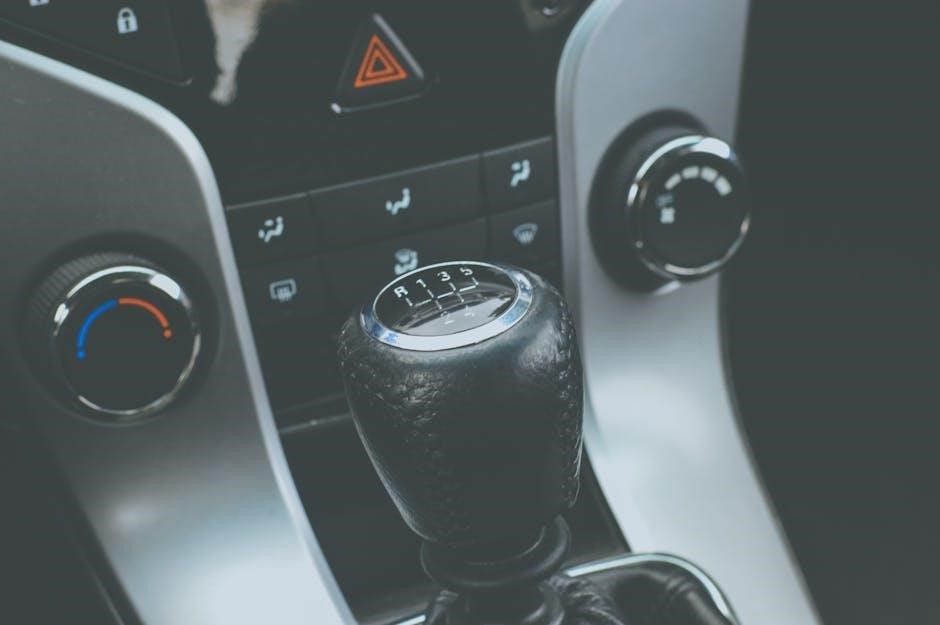
Resources for Manual Gearbox Information
Access valuable resources like repair manuals, guides, and thriving online forums. These communities offer expert advice and support for all your gearbox needs.
Repair Manuals and Guides
Comprehensive repair manuals are essential for successful manual gearbox servicing. These guides provide detailed instructions, diagrams, and specifications crucial for dismantling, inspecting, and reassembling transmissions.
Look for manuals specific to your gearbox model – BorgWarner T10, GM/Muncie, Ford Toploader, or Tremec T5 – to ensure accurate information. They are invaluable tools for both novice and experienced technicians.
Online Forums and Communities
Online forums and communities dedicated to manual gearbox servicing offer a wealth of practical knowledge and support. These platforms connect enthusiasts and professionals, fostering collaborative problem-solving and information sharing.
Users frequently discuss specific gearbox models, troubleshooting tips, and repair experiences. They are excellent resources for finding answers to challenging questions and staying updated on best practices.
Related Posts

how do you manually roll up a power window
Power window giving you trouble? Don’t panic! Our simple, step-by-step guide shows you how to manually roll up your car window like a pro. Get back on the road fast!
cosori pressure cooker manual
Lost your Cosori pressure cooker manual? No sweat! Find a downloadable PDF & get back to creating delicious, quick meals. Easy recipes & troubleshooting too! ✨
craftsman 921 air compressor manual
Lost your Craftsman 921 air compressor manual? Don’t sweat it! Download a free PDF guide right here and get back to work. Easy access & instant help!